
Skip to content
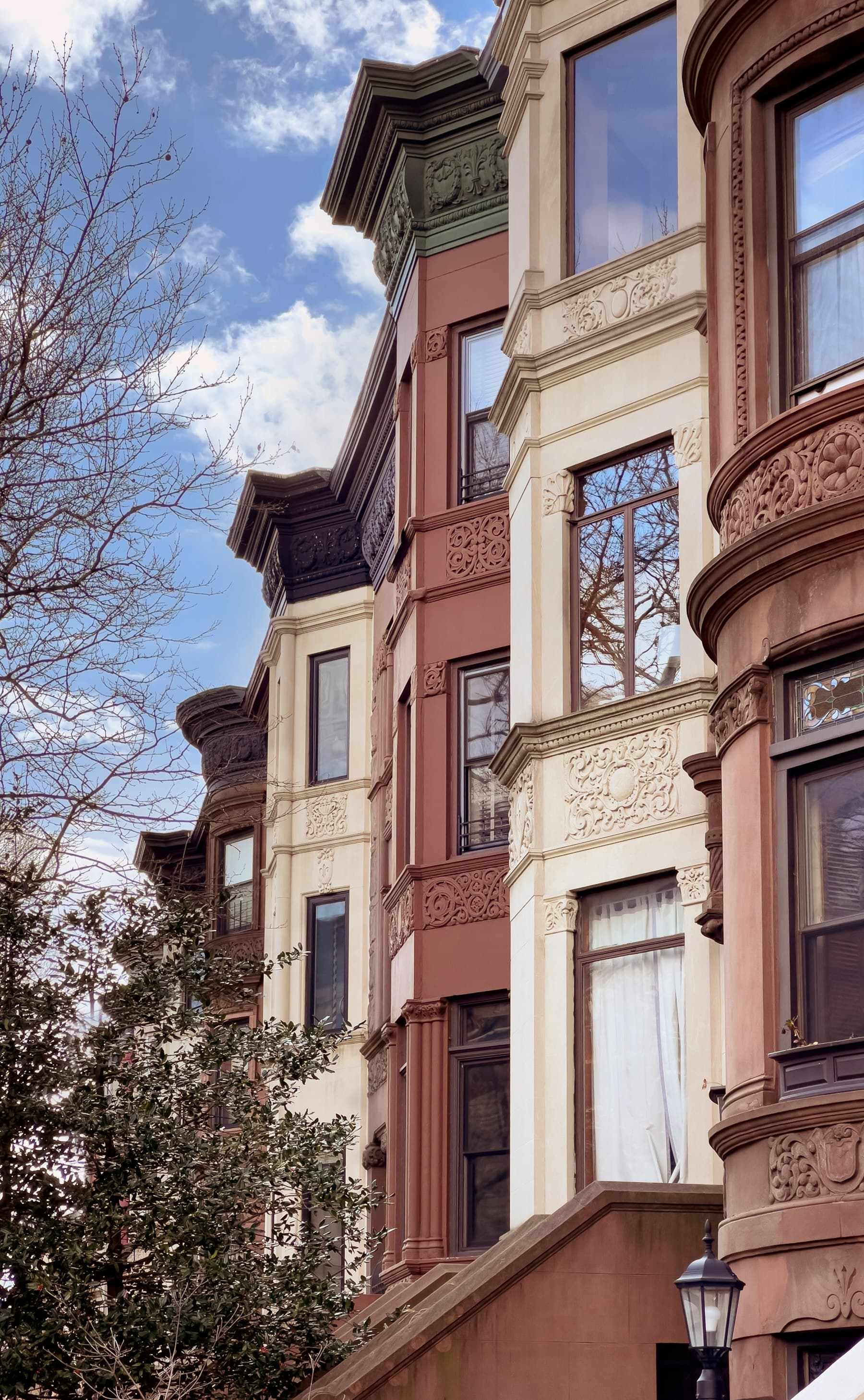
Row of restored brownstone townhouses in Brooklyn, New York

BRRRR guide

How to Refinance a Hard Money Loan Into a DSCR Loan (BRRRR)

Buy, renovate, rent, refinance, repeat. The refinance is the step that pays off your short-term loan and locks in a long-term one. Here's how it works, when you can do it, and how the numbers play out.

By Joseph Snado · Published

When to refinance out of a hard money loan

A hard money loan is built to be paid off, and for an investor who wants to keep the property, the payoff comes from a refinance. The usual trigger is the end of the renovation: the work is done, the property is rented or ready to rent, and it's worth more than you paid. That's when a long-term lender can lend on the new value.

Don't wait for the hard money loan to mature. Start the refinance about 90 days before the term ends, so an appraisal delay or a slow tenant search doesn't leave you scrambling. The best time to plan the exit is before you buy, by asking the long-term lender what they'll need.

Step by step: from rehab to DSCR refinance

Here's how the refinance runs with us:

  • Finish the work and get the property rented, or at least rent-ready with a market rent estimate.
  • Gather the documents: ID, the lease, an insurance quote, your LLC papers if you're borrowing in one, and a payoff letter from the hard money lender.
  • Apply, or see if you pre-qualify. A loan officer confirms the loan amount with you on a short call, because it's set deal by deal.
  • We order an appraisal, which sets the new value and the market rent.
  • Underwriting checks that the rent covers the new payment, that your credit meets the 620 minimum, and that the loan fits the property's value.
  • The new loan closes in about 14 business days, pays off the hard money lender, and any cash above that comes to you.

How much you can cash out

Two limits set the size of the new loan, and the lower one wins. The first is the property's value: our DSCR rental loans go up to 80% of it, and the leverage on a cash-out refinance is set per deal and confirmed on a call. The second is the rent: the new payment, with taxes, insurance and any HOA dues, has to be covered by the property's monthly rent.

That second limit surprises investors. A property can appraise high and still support only a smaller loan if the rent is modest, because a bigger loan means a bigger payment. Run the numbers on the rent before you count on a cash-out figure.

Check whether the rent covers the new payment

How soon you can refinance (seasoning)

Seasoning is how long you've owned the property before a lender will lend on its new appraised value instead of what you paid for it. Many long-term lenders want several months of ownership, and some allow less when the renovation is documented with invoices and before-and-after photos.

Our terms depend on the deal, so a loan officer confirms them with you on a call. Ask about seasoning before you buy, not after the rehab is done, so the timeline of your hard money loan and the refinance line up.

Costs to plan for

A refinance has its own closing costs. Budget for:

  • The appraisal, which also supplies the market rent.
  • Title work and recording fees.
  • Lender fees on the new loan.
  • Prepaid taxes and insurance, if the new loan escrows them.
  • Interest owed on the hard money loan through the payoff date.

Our short-term loans have no prepayment penalty, so paying off the hard money loan early doesn't cost extra. Ask about the prepayment terms on the new long-term loan before you commit, in case you plan to sell or refinance again within a few years.

A worked BRRRR example

Say you buy a two-family house for $200,000 and put $50,000 into it, using a fix and flip loan of $230,000: 90% of the purchase plus 100% of the rehab. You bring $20,000 plus closing costs. Over eight months of interest-only payments at 8.99% you pay about $13,800 in interest.

Renovated and rented, the property brings in $2,800 a month and appraises at $320,000. The new DSCR loan comes to $240,000 in this example, which is 75% of the new value; the exact leverage is set per deal. It pays off the $230,000 hard money loan and covers the refinance costs, and whatever cash you put in beyond that stays in the deal as equity.

Now check the rent. A $240,000 loan at 6.375% over 30 years costs about $1,497 a month in principal and interest. Add about $500 for taxes and insurance, and the full payment is about $1,997. The rent of $2,800 covers it with about $800 a month to spare. You own a rented property worth about $320,000 with a $240,000 loan, and you're ready to repeat.

FAQ

Questions, answered

Yes. That's how most hard money loans on rentals get paid off. Once the property is renovated and rented, a long-term loan such as a DSCR rental loan replaces the short-term one.

Ready to fund your next deal?

Tell us about the property and we will come back to you with options — usually within 24 to 48 hours.