
Skip to content
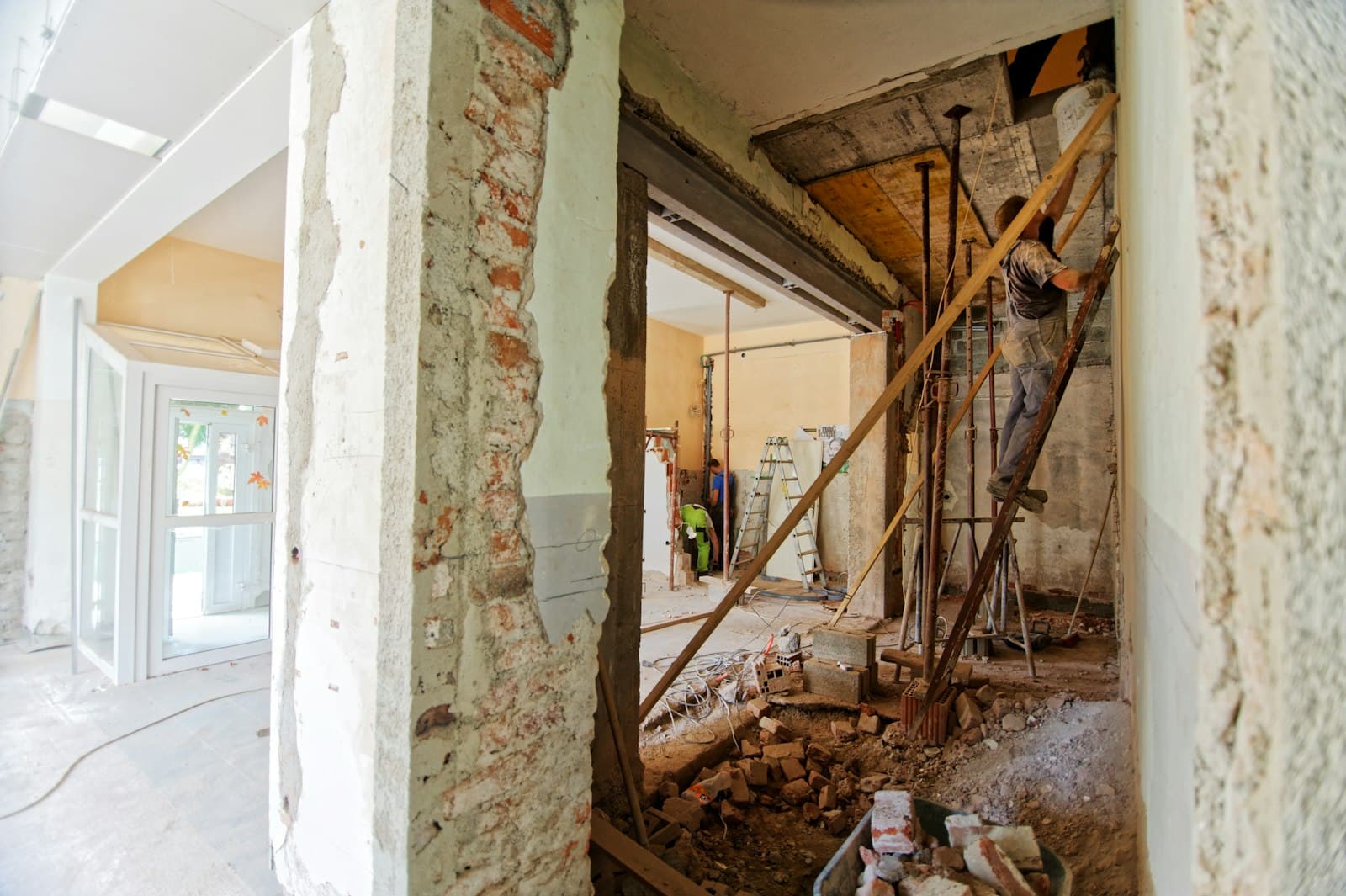
Interior of a residential property mid-renovation

Hard money guide

What Is a Hard Money Loan? Rates, Requirements and How It Works

Hard money is the fastest financing in real estate, and the most misunderstood. This guide explains what a hard money loan is, how one works from application to payoff, what it costs, and when it beats a bank loan.

By Joseph Snado · Published

What a hard money loan is

A hard money loan is a short-term loan secured by real estate. The name comes from the collateral: a hard asset, the property itself, rather than the borrower's income. It comes from a private lender, not a bank, and it's approved mainly on the property's value and the borrower's plan for it.

Terms usually run from a few months to a couple of years. Real estate investors use hard money to buy and renovate houses, to bridge a fast purchase, to build, and to carry a property until it sells or qualifies for long-term financing. You'll also hear it called private money, bridge money or a rehab loan, depending on the job it's doing.

How a hard money loan works

A hard money loan runs on a simple loop. The lender funds the purchase and, if the plan includes one, the renovation. You pay interest each month while you hold the property. You pay the whole balance off when you sell or refinance. Because the lender's security is the property, the review is about the deal: what the property is worth now, what it will be worth when the plan is done, and how you will exit. From the first call to payoff, the steps look like this:

  • You tell the lender about the property, the price, the work and how you plan to exit.
  • The lender reviews the deal. With us that takes as little as 24 to 48 hours.
  • A valuation and title work confirm what the property is worth and that it can be sold.
  • The loan closes, in as little as seven business days with us.
  • Rehab money is usually released in draws as work is completed and inspected.
  • You pay interest each month while you hold the property.
  • You exit by selling, or by refinancing into a long-term loan, and the hard money loan is paid off.

A worked fix and flip example

You find a house for $200,000 that needs $50,000 of work and should be worth about $320,000 when it's done. Our fix and flip program funds up to 90% of the purchase price, which is $180,000, and up to 100% of the rehab budget, which is $50,000, for a $230,000 loan if the deal qualifies. You bring the remaining $20,000 plus closing costs.

Payments are interest-only. At our starting rate of 8.99%, interest on the full $230,000 comes to about $1,723 a month, and less than that while part of the rehab money is still waiting to be drawn. If you sell after eight months, you've paid about $13,800 in interest, you pay off the $230,000, and the rest of the sale price is yours.

Run your own deal through the hard money calculator

Hard money loan rates, points and fees

Hard money costs more than a bank loan because it's faster, shorter and riskier for the lender. Our fix and flip and bridge loans start from 8.99%, and ground-up construction starts from 9.75%, as of October 2026. Your rate depends on the property, the plan and your experience.

On top of the rate, most hard money lenders charge origination points, each point being 1% of the loan amount, plus the usual closing costs for the appraisal, title and legal work. Because payments are interest-only, a hard money loan is cheap to carry for a few months and expensive to carry for years, which is why it's built to be paid off. Our short-term loans have no prepayment penalty, so paying off early never costs extra.

Hard money loan requirements

Hard money lenders underwrite the deal, so the requirements are about the deal:

  • An investment property. We don't lend on a home you live in.
  • A minimum 620 credit score.
  • Cash for your share of the purchase and the closing costs. On a fix and flip that's roughly 10% of the price plus costs.
  • A scope of work and a budget, if the property needs renovation.
  • A clear exit: a sale, or a refinance into long-term financing.

Experience helps your pricing, but it isn't required. We work with first-time and seasoned investors alike. What you won't be asked for is tax returns, pay stubs or a debt-to-income calculation.

What investors use hard money for

Flipping houses is the classic use: buy, renovate, sell. Bridge loans cover a fast purchase, an auction, or a closing that's about to fall through because the buyer's mortgage died. Construction loans fund ground-up builds. And the first half of the BRRRR strategy, buy and renovate, usually runs on hard money before the investor refinances into a DSCR rental loan to hold the property.

Hard money also works for apartment and mixed-use buildings that need repositioning before they qualify for long-term financing.

See all of our loan programs

Pros and cons

The advantages are speed and flexibility:

  • Closing in days, not months.
  • Approval on the property and the plan, not your income.
  • Funding for properties banks won't touch, such as a house that isn't livable yet.
  • Up to 100% of the renovation budget on our fix and flip loans.

The trade-offs are cost and time. Rates and points are higher than a bank's, the term is short, and the whole balance is due at the end, so you need a real exit before you borrow. Hard money is the wrong tool for a property you plan to hold for years without refinancing.

Hard money vs private money vs a bank loan

Hard money and private money overlap. Both come from private lenders rather than banks, and both are secured by the property. "Hard money" usually means a lender like us that funds many loans on set programs, while "private money" can also mean an individual lending their own funds on a handshake. We're a private lender that makes hard money loans.

A bank loan is the opposite in almost every way. It's cheaper, it takes 30 to 60 days or more, it qualifies you on your income and debts, and it won't fund a property that needs major work. Investors use banks and DSCR loans for the long hold, and hard money for the short, fast part of the deal.

How to get a hard money loan

Getting a hard money loan is simpler than getting a mortgage:

  • Have the deal ready: the property, the price, the rehab budget if there is one, and your exit.
  • Apply online or call. We answer 24 hours a day, seven days a week.
  • A loan officer reviews the file in as little as 24 to 48 hours and confirms the loan amount with you on a call.
  • Send the short document list, then close in as little as seven business days.
Start an application

FAQ

Questions, answered

Bring the lender a deal: the property, the price, the renovation budget and your exit plan. With us, a loan officer reviews it in as little as 24 to 48 hours, and the loan can close in as little as seven business days.

Ready to fund your next deal?

Tell us about the property and we will come back to you with options — usually within 24 to 48 hours.